
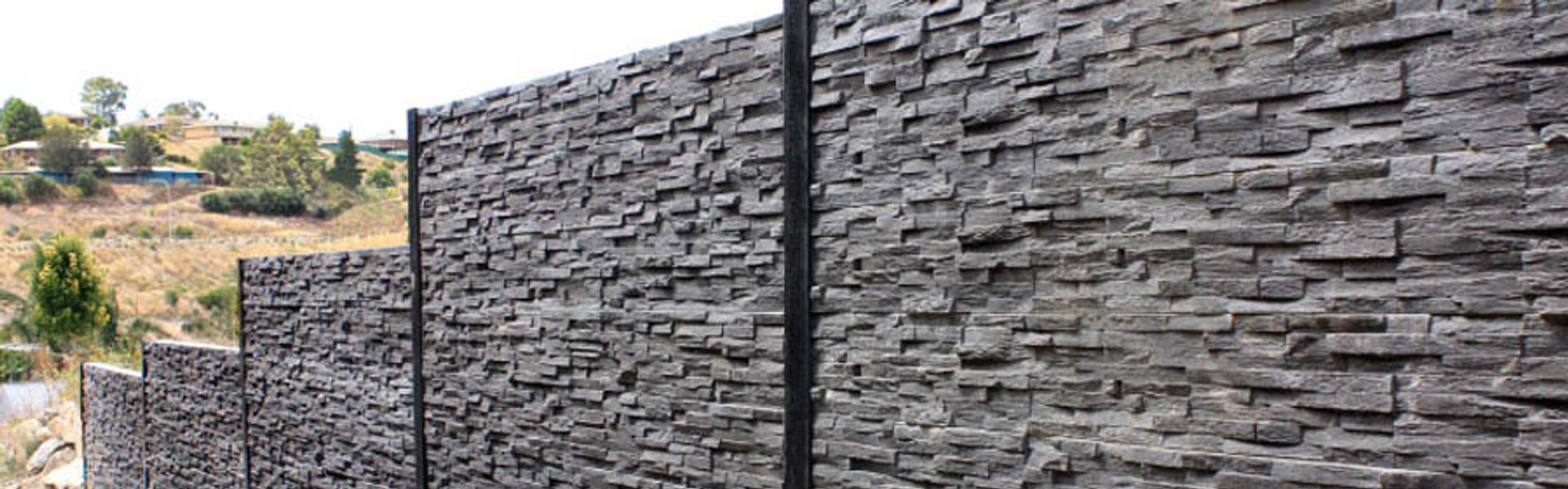
Sleeper Retaining Walls Geelong
Sleeper walls are a specific type of wall used primarily in construction, particularly in the context of supporting floors or providing a base for a raised floor. They differ from timber sleeper walls used in landscaping and have distinct functions and characteristics.
What Are Sleeper Walls?
Sleeper walls are short, low-height masonry walls typically constructed from brick or concrete blocks. They are built in the subfloor space of a building to support floor joists, ensuring the floor is level and stable. These walls are usually placed on the foundation or ground slab and run perpendicular to the floor joists.
Key Functions of Sleeper Walls
- Support: Sleeper walls provide intermediate support for floor joists, preventing them from sagging or deflecting under the weight of the floor and any loads placed on it.
- Ventilation: Sleeper walls often have gaps or openings to allow air circulation under the floor. This ventilation helps prevent moisture buildup, which can lead to dampness, mold, or wood rot in the joists or floorboards.
- Even Distribution of Load: By supporting the floor joists, sleeper walls help distribute the load evenly across the floor, enhancing the structural integrity of the building.
- Insulation: In some constructions, the space between sleeper walls can be filled with insulation material to improve the thermal performance of the building.
Maintenance Considerations
- Moisture Control: Proper ventilation is crucial to prevent moisture-related issues in the subfloor space.
- Structural Integrity: Regular inspection of sleeper walls is essential to ensure they remain in good condition, especially if they are supporting heavy loads.
Sleeper walls are a critical component in certain types of floor construction, providing necessary support and contributing to the overall durability and comfort of a building.
Sleeper Walls FAQs
How long does a sleeper retaining wall last? +
Concrete sleeper walls last 50+ years; treated timber sleeper walls typically 15–25 years depending on drainage and soil conditions. Good drainage behind the wall is the biggest factor either way.
Do I need a permit for a retaining wall in Geelong? +
Retaining walls over one metre high generally need a building permit and engineering in Victoria. Walls near boundaries or affecting neighbouring land can also trigger requirements — we advise on what applies to your site as part of the quote.
Timber or concrete sleepers — which should I choose? +
Timber looks natural and costs less up front; concrete lasts far longer, handles more load and never rots. For structural walls holding driveways or buildings we usually recommend concrete.
Get A Free Quote
Ready to discuss your sleeper walls project? Contact us today for a free, no-obligation quote.
Service Areas
Other Services
Explore our full range of retaining wall solutions
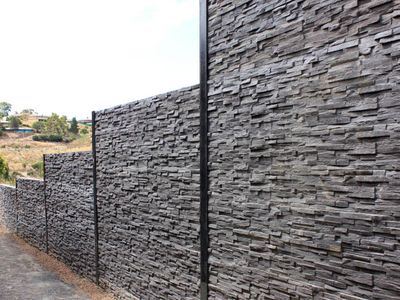
Timber Sleeper Walls
Timber sleeper walls are structures made from horizontal wooden beams, typically referred to as sleepers. They are commonly used in landscaping, gardening, and construction for various purposes, in...
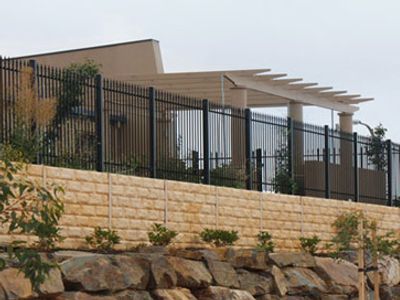
Concrete Sleeper Walls
Durable and low-maintenance concrete sleeper walls. Resistant to rot, termites, and weathering, ideal for retaining walls and landscaping in Australian conditions.
Rock Walls
Rock walls can refer to various types of structures made from stone or rock. They serve different purposes, including:
Ready to Start Your Sleeper Walls Project?
Contact us today for a free consultation and quote. We're ready to help bring your vision to life.